Winter can be a magical season, but it also brings its own set of challenges, especially when it comes to home maintenance. One of the most common winter woes is dealing with frozen pipes. Not only can they disrupt your water supply, but they can also lead to costly repairs if they burst. Here’s how you can prevent frozen pipes and keep your home safe and cozy this winter.
Understanding the Risks
Frozen pipes occur when the water inside them freezes and expands, causing the pipe to crack or burst. This is more likely to happen in unheated areas of your home, such as basements, attics, garages, or any exterior walls. The risk increases when temperatures drop below freezing for extended periods.
Key Areas to Watch
- Uninsulated Pipes: These are often found in basements and crawl spaces.
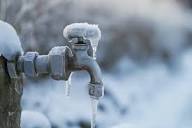
- Outdoor Faucets and Hoses: These are directly exposed to the elements.
- Pipes in Exterior Walls: These are more susceptible to the cold.
Tips to Prevent Frozen Pipes
Insulate Your Pipes
One of the most effective ways to prevent your pipes from freezing is to insulate them. Use foam pipe insulation or heat tape, especially in unheated areas. This can help maintain a consistent temperature around the pipes, reducing the risk of freezing.
Keep Your Home Warm
Ensure your home’s thermostat is set to a consistent temperature, even at night. It might be tempting to lower the heat to save on energy bills, but maintaining a warm environment can help prevent pipes from freezing.
Seal Cracks and Openings
Inspect your home for any cracks or openings that could let in cold air, especially around windows, doors, and where pipes enter the home. Use caulk or insulation to seal these gaps.
Let Faucets Drip
During particularly cold spells, let your faucets drip slightly. This keeps water moving through the pipes, making it less likely to freeze.
Disconnect Outdoor Hoses
Make sure to disconnect and drain outdoor hoses. Shut off the indoor valve that supplies water to outdoor faucets and leave the outdoor faucet open to allow any remaining water to expand without causing damage.
What to Do If Your Pipes Freeze
If you suspect that your pipes have frozen, it’s important to act quickly. Turn off the water supply to prevent further damage and use a hairdryer or portable heater to gently thaw the pipes. Never use an open flame or torch, as this can damage the pipes and create a fire hazard.
For more tips on protecting your home this winter or to discuss your insurance needs, feel free to reach out to our agency. We’re here to help you stay safe and secure all year round.